
- Local: (604) 576-8666
- Toll free: 1 (800) 991-1852

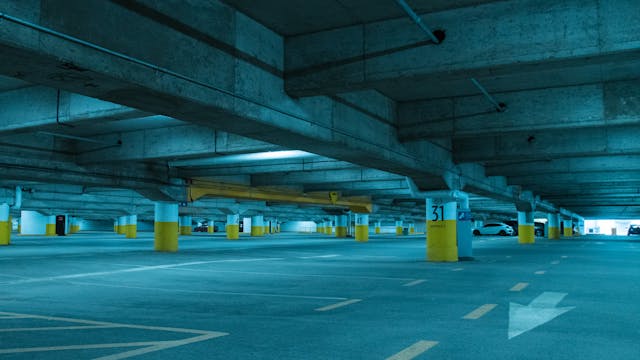
The most expensive asset in your building is not the lobby. It is not the gym. It is not the shiny elevator. It is the concrete structure holding up the cars. The parkade is the foundation. It carries a heavy load every single day. But in British Columbia, the parkade has a secret enemy. It is a unique problem.
Cars drive on the Coquihalla Highway. They drive over local bridges. They pick up salt and slush. Then, they drive into your building.
This salt is dangerous. It does not just make the floor look dirty. It chemically attacks the steel inside the concrete. This is a serious issue.
Successful parkade management is not about fixing things when they break. That is too late. It is about a strict schedule. You need to inspect in the Spring. You need to fix in the Summer. This is the only way to stop the “cancer” of corrosion.
Phase 1: The Science of Decay (Why BC Parkades Fail)
Why does concrete break? It seems so strong. But it has pores. It is like a hard sponge. When salty water drips onto the floor, it soaks in. It goes deep. Eventually, it reaches the steel bars inside. These bars are called rebar.
This starts the “Chloride Cycle.” The salt eats the protective shield on the steel. The steel starts to rust. This leads to concrete spalling repair BC stratas deal with every year.
The Explosion Inside. When rebar rusts, it changes. It gets bigger. In fact, rust takes up four times more space than the original steel. This creates huge pressure inside the floor. It pushes out.
Suddenly, a chunk of concrete pops off. This is called “Spalling.” If you see a rust stain on the ceiling, be careful. If you drive over a slab and it makes a “hollow” sound, be worried. The damage is already deep inside.
Carbonation: There is another enemy for older buildings. It is called carbonation.
Over many years, the air changes the chemistry of the concrete. It lowers the pH balance. The concrete becomes brittle. It stops protecting the steel. It is a slow process, but it is deadly for the structure.
Phase 2: The Seasonal Roadmap
You cannot fix a parkade in December. It is too wet. It is too cold. You need a plan. You need a strata parkade maintenance schedule. Spring: The Audit Phase (April – May).
When the snow stops, the work begins.
First, you must clean. Power washing is essential. You have to scrub the floors. You need to get that winter salt off the concrete before it soaks in deeper.
Then, you must listen.
King Services uses a technique called “Chain Dragging.” It sounds primitive. A professional drags a heavy chain across the floor. They listen carefully. Solid concrete makes a nice, sharp ring. Damaged concrete makes a dull, hollow thud. This finds the hidden rot. It finds the damage that hasn’t broken the surface yet.
Summer: The Repair Window (June – September).
This is the busy season. Concrete is picky. It needs warmth to dry. Special coatings, like the urethane membrane, are very sensitive. They need low humidity. If you try to patch a parkade in November in Vancouver, you are wasting money. The patch will not stick.
This is also the time for parkade membrane repair Vancouver buildings rely on.
This coating is the skin of the floor. It stops water from dripping down. If you have luxury cars parked on the lower levels, this membrane prevents lime-water from ruining their paint.
Phase 3: Technical Repair Methods
Not all repairs are the same. Some companies just “butter over” the hole. They put some cement on top and smooth it out. This is bad. It will fall off in a year.
The King Services Standard. King Services does structural restoration. They do not just patch. They cut. They use a saw to cut a square shape around the damage. This is important. If you just fill a hole with thin edges, it cracks. This is called “feather-edging,” and it is weak. A square cut is strong. Then, they expose the rebar. They clean the rust off until the steel shines like new white metal. They paint it with a primer. Finally, they pour the new mortar.
Expansion Joints. Look at the floor. Do you see those rubber lines? Those are parkade expansion joint replacement zones. Buildings move. They expand when it is hot. They shrink when it is cold. These joints allow that movement. If the rubber is torn, water flows through. It funnels directly onto the structural beams below. This rots the main support of the building. Replacing these joints is a top priority for the summer.
Phase 4: Budgeting and Planning
Money is always tight. But ignoring the parkade is dangerous. The Depreciation Report. Most stratas have this report. It tells you when things will break. If you skip the membrane maintenance, you hurt the building. You reduce the lifespan of the slab by decades. It is cheaper to coat the floor now than to rebuild the floor later.
Phasing the Work. You do not have to do it all at once.King Services helps large stratas plan. You can do the P1 level this year. You can do the P2 level next year. This helps with cash flow. It keeps the bank account healthy. But it still uses the summer weather window effectively.
Conclusion
A parkade is a “living” structure. It reacts to the environment. It feels the wet winters. It feels the dry summers. If you neglect it, you will face special levies. It is that simple. King Services offers more than just paving. The team provides structural concrete restoration services. We understand the science. We know how to waterproof systems for the Pacific Northwest climate. Do not wait for a chunk of concrete to fall on a resident’s hood. That is a liability you do not want. Contact King Services today.
Also Read:
What Should You Know About Concrete Resurfacing Services in Canada — Costs, Benefits, and What to Expect
How Stamped Concrete Contractors in Surrey Add Beauty and Stability to Your Outdoor Surfaces