
- Local: (604) 576-8666
- Toll free: 1 (800) 991-1852

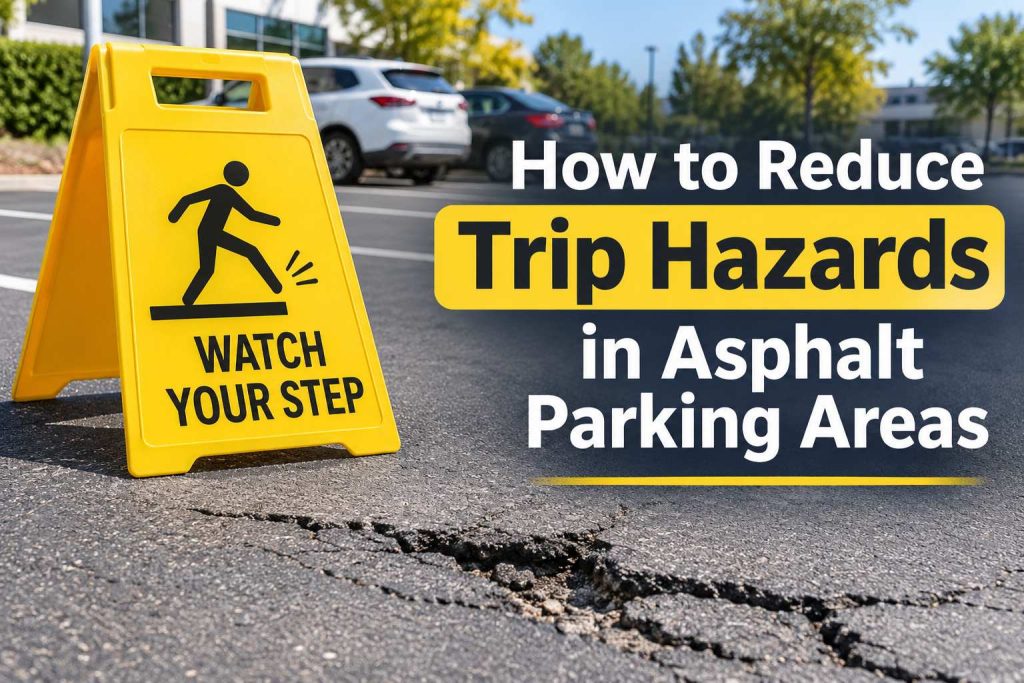
Asphalt parking areas are used every day by drivers, pedestrians, employees, customers, and visitors. Over time, regular vehicle traffic, changing weather conditions, water damage, and natural wear can cause asphalt surfaces to deteriorate. Cracks, potholes, uneven pavement, and raised edges can create trip hazards that put pedestrians at risk.
Maintaining a smooth and level parking surface is important for preventing accidents and keeping your property safe and accessible. Whether you manage a commercial parking lot, retail property, office building, or residential complex, regular asphalt maintenance can help reduce potential hazards. Here are some practical ways to make your asphalt parking area safer.
1. Inspect Your Asphalt Parking Area Regularly
Regular inspections are one of the easiest ways to identify trip hazards before they become serious problems. Walk through your parking area and look for visible signs of pavement damage, including cracks, potholes, uneven surfaces, and loose asphalt.
Pay special attention to pedestrian walkways, parking space entrances, sidewalks, and areas near building entrances. These locations often experience frequent foot traffic and should remain smooth and easy to navigate.
It is also helpful to inspect your parking lot after heavy rainfall, freezing temperatures, or snow removal activities. Identifying small problems early allows property owners to arrange timely repairs and prevent further pavement deterioration.
2. Repair Cracks Before They Become Bigger Problems
Small asphalt cracks may not seem dangerous initially, but they can quickly become trip hazards if left untreated. Water can enter through these openings, weakening the pavement underneath. During colder weather, freezing and thawing can make cracks wider and cause surrounding asphalt to break apart.
Crack sealing is an effective maintenance method that helps prevent water from entering the pavement structure. By sealing suitable cracks early, property owners can reduce further damage and maintain a more stable surface.
Regular crack maintenance also helps extend the lifespan of asphalt parking areas and reduces the need for more extensive repairs.
3. Fix Potholes and Uneven Asphalt Surfaces
Potholes are among the most common problems in asphalt parking areas. They develop when moisture, traffic pressure, and pavement deterioration weaken the asphalt surface. Even relatively small potholes can cause pedestrians to stumble, especially when they are difficult to see.
Uneven pavement can also develop around repaired sections, utility covers, drainage areas, and heavily used parking spaces.
Damaged areas should be repaired using an appropriate asphalt patching method. Depending on the condition of the pavement, repairs may involve filling, patching, or removing and replacing the damaged section.
Timely repairs help restore a more level surface and make parking areas safer for both pedestrians and vehicles.
4. Maintain Proper Drainage to Prevent Water Damage
Poor drainage can contribute to many asphalt surface problems. When rainwater collects in parking areas, it can gradually weaken the pavement and create conditions that lead to cracks, potholes, and surface deterioration.
Standing water can also make walking surfaces slippery and increase the risk of falls.
Make sure parking areas have proper drainage systems and that catch basins, drains, and surrounding areas remain clear of debris. If water regularly collects in certain sections, the pavement may need grading adjustments or drainage improvements.
Good drainage helps protect the asphalt surface, reduces water-related damage, and supports long-term parking lot safety.
5. Keep Pedestrian Walkways Clearly Marked
Clear pavement markings help separate pedestrian areas from vehicle traffic. When parking lot lines, crosswalks, directional arrows, and pedestrian pathways become faded, people may have difficulty identifying safe walking routes.
Repainting these markings can improve visibility and help guide pedestrians toward designated walkways. It is also important to ensure that walking routes are free from unnecessary obstacles, loose materials, and damaged pavement.
Where possible, keep pedestrian pathways separate from vehicle movement areas, especially near busy entrances and commercial properties.
6. Pay Attention to Asphalt Edges and Transitions
Changes in pavement height are another common source of trip hazards. Raised asphalt edges, deteriorating transitions, and uneven connections between asphalt and concrete surfaces can create unexpected obstacles for pedestrians.
These problems may occur near sidewalks, curbs, building entrances, driveways, and parking lot boundaries.
Inspect these transition areas regularly and arrange repairs when noticeable height differences or loose pavement appear. Properly maintaining these connections helps create smoother walking routes and improves accessibility for people using wheelchairs, walkers, or mobility aids.
7. Schedule Professional Asphalt Maintenance
While regular inspections can help identify potential problems, some pavement damage requires professional attention. Experienced asphalt contractors can assess the condition of your parking area and recommend suitable maintenance or repair solutions.
Depending on the pavement condition, services may include crack sealing, pothole repairs, asphalt patching, resurfacing, or complete pavement replacement.
A planned maintenance schedule can help property owners address problems before they become more expensive and difficult to repair. Professional maintenance also helps preserve the appearance, functionality, and safety of commercial parking areas.
Keep Your Asphalt Parking Area Safe with King Services
Preventing trip hazards requires consistent attention to pavement conditions, drainage, markings, and regular maintenance. Small cracks, potholes, uneven surfaces, and damaged asphalt edges should never be ignored, as they can create safety concerns for pedestrians and visitors.
With proper inspections and timely asphalt repairs, property owners can maintain smoother, safer, and more reliable parking areas. If your commercial parking lot is showing signs of damage, King Services can help you explore suitable asphalt paving and maintenance solutions.
Visit King Services to learn more about professional asphalt services and keep your parking area in better condition.